
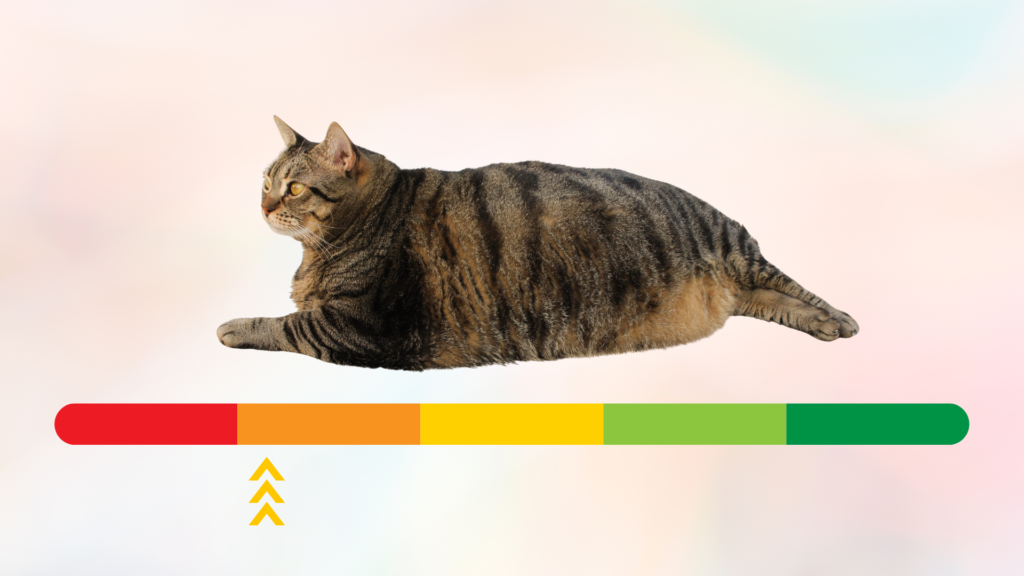
Has your cat started looking a little rounder around the middle? Perhaps jumping onto furniture seems more difficult, or your once-playful companion spends more time resting. These subtle changes may leave you wondering whether you have an overweight cat or simply a naturally larger feline.
For pet owners in Auburn, WA, recognizing changes in body condition is a valuable part of monitoring feline health. Understanding the risks associated with excess weight, identifying possible causes, and knowing when to seek veterinary attention are useful steps toward protecting your cat.
The Hidden Health Risks of Feline Obesity
Extra pounds may seem harmless, but excess body fat places additional strain on a cat’s joints, organs, and overall health. An overweight cat faces increased risks of diabetes, arthritis, reduced mobility, and difficulty maintaining proper grooming habits. Even everyday activities, such as climbing stairs or reaching a favorite resting spot, may become physically demanding. Over time, these challenges may reduce activity levels and contribute to further weight gain, creating a cycle that affects comfort and quality of life.
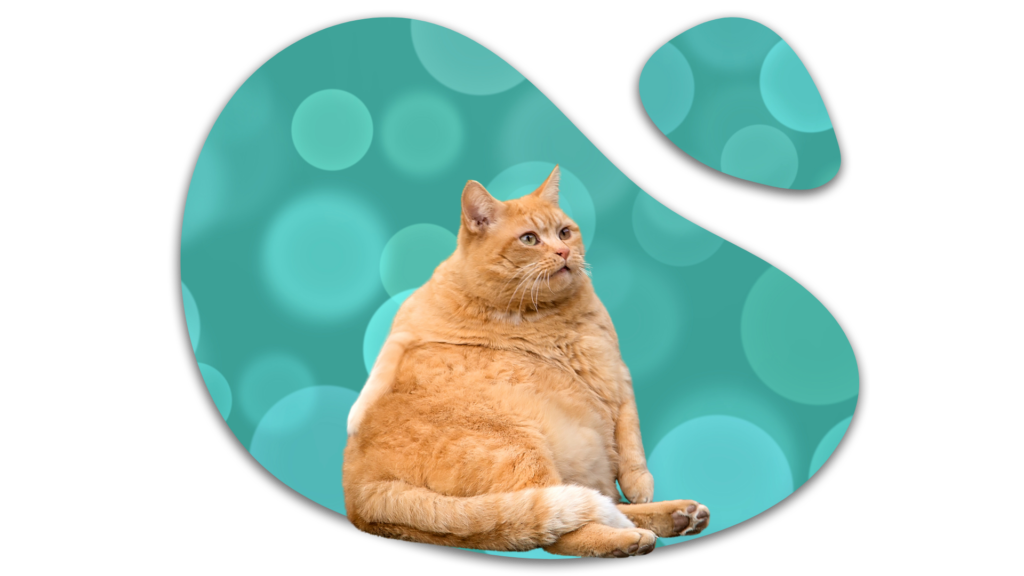
What Causes Unwanted Weight Gain in Cats?
Excess calorie intake is one of the leading contributors to feline weight gain. Large meal portions, frequent treats, unlimited access to food, and limited exercise may gradually increase body fat. Indoor cats with fewer opportunities for physical activity may be particularly vulnerable to weight changes. Aging, certain medications, and underlying medical conditions may influence weight as well, making a professional assessment worthwhile when changes seem unusual or unexplained.
Recognizing the Physical Signs of Excess Weight
Determining whether your cat is carrying extra weight involves more than checking the number on a scale. When viewed from above, a healthy cat generally has a noticeable waist, while the ribs should be easy to feel beneath a thin layer of tissue. A rounded abdomen, poorly defined waistline, or difficulty feeling the ribs may indicate excess body fat. The Association for Pet Obesity Prevention provides an at-home body condition scoring chart for cats that offers a useful visual reference, although a veterinary examination provides a more complete assessment.
When Weight Changes Require Veterinary Attention
Gradual weight gain deserves attention, particularly when accompanied by reduced activity, appetite changes, or difficulty moving comfortably. An overweight cat may benefit from a veterinary examination to evaluate body condition, nutritional habits, and potential medical concerns. Pet owners in Auburn should seek veterinary guidance when weight changes occur alongside concerning symptoms rather than attempting aggressive dietary restrictions without professional direction.

Three Healthy Habits for Better Weight Management
Small, consistent adjustments may support healthier routines while keeping your cat comfortable and engaged.
- Measure daily meals: Use consistent portions, account for treats, and discuss appropriate calorie intake with a veterinarian before changing feeding amounts.
- Encourage gentle activity: Introduce interactive toys, short play sessions, and food puzzles suited to your cat’s age, mobility, and interests.
- Avoid drastic diets: Rapid weight loss poses serious health risks for cats. Follow veterinary recommendations instead of relying on restrictive diets or unverified online advice.
Trusted Urgent Veterinary Care for Cats Across the Puget Sound Area
An overweight cat deserves thoughtful attention, especially when weight changes occur alongside unusual symptoms or declining mobility. Affordable Animal Emergency Clinic provides emergency veterinary services for cats and other pets from Auburn, Federal Way, Kent, and Covington, along with surrounding communities. If your cat is experiencing concerning health changes, contact our team to discuss whether emergency evaluation is needed.
Maintaining a healthy weight supports mobility, comfort, and overall wellness throughout your cat’s life. Recognizing changes early and seeking appropriate veterinary guidance creates a stronger foundation for long-term feline health.